Pages

Sunday, 15 February 2015

Amazing Starling Show


Today Nick and myself both lead tours on the Somerset Levels. It was an early start so we could find where the starling were roosting, we needed to see the Starlings leaving their roost site.

Arriving around 06:45 we made our way to the viewing platform, as we approached we could hear a distant roar from the reed beds and on closer inspection could see a mass of black moving within the reeds.

Just after 07:15 the first wave of birds left the roost and headed straight over us, an amazing sight and sound as they passed. We estimated that around 200,000 birds were in the group, In total five groups left the roost all roughly the same size which would suggest about 900,000 to 1 million birds!

After the Starlings had left the site a fine Marsh Harrier drifted in to clear up any dead birds that had perished over the cold night; this is a common sight here on the reserve and happens most morning after the starlings leave, as the Harriers are always on the look out for an easy meal to start the day.

On the way to the roost site we also heard a couple of Bitterns calling, not quite the loud booming call more of a whuff at the moment, also two birds seen flying low over the reeds before dropping in out of sight.

Another species seen on the day was Great White Egret giving some very close views as they hunted the shallow pools, in total around five birds were seen throughout the day, indeed we saw more of these than the usually commoner Little Egret

There are still plenty of duck spices around with Teal, Wigeon, Shoveler, Gadwall, Tufted Duck, Pochard, Mallard, Goosander, Shelduck and Goldeneye all seen. Both little and Great Crested Grebe seen fishing around the reed fringes.

Heading back to the car park for lunch we picked up a nice pair of Bullfinch eating the early buds, the male looking rather splendid in his peach pink breast.

Also several Robin and Dunnock calling and posturing from the trees.


Back at the car park we found a tiny Goldcrest picking insects from the ivy clad trees, also a couple of Song Thrush and groups of Goldfinch feeding on the alder cones. Two Roe deer where seen crossing the path behind us and a few clumps of Snowdrops under the trees were in full flower.

After lunch we spent a couple of hours over at Shapwick Heath (A Natural England site) just across the road from Ham Wall. From the tower hide over looking Noah's lake, two Kingfisher were seen chasing each other around with one of them sitting on a branch just outside the hide giving us a fantastic view.

A Marsh harrier drifted over high as we made our way back to Ham Wall to watch the Starlings come back to their roost for the evening.

Whilst waiting for the Starlings to arrive several flocks of Lapwing arrived to roost on the many tiny islands, also joined by a few Snipe, and a large group of Pochard also dropped in to use the water for the night. Pied Wagtail flocks were flying over to their roost site, several Reed Bunting, a Chiffchaff, flocks of Long-tailed Tit and small flocks of Lesser Redpoll were also noted.

At around 16:45 the first group of Starling started to arrive and sat in the tops of the distant trees, with many more birds passing over our heads the numbers soon built up and an impressive sight could be seen in the sky, the birds did a small murmuration as they all joined together but soon started to descend into the reed bed, and after about five minutes the show was over what an amazing end to a wonderful day on The Somerset Levels!! DT/NA.


Friday, 13 February 2015

Surveys aplenty

Darren and I do a number of surveys for different organisations as well as leading trips. We are very lucky to live and work in such a great area and its important to monitor the health of the wildlife. Last Sunday (8th) saw us at Cotswold Water Park (CWP) doing waterfowl counts for the Wetland Bird Survey (WeBS). We each have a number of lakes we count each month throughout the Autumn and Winter. This is then added to all the other counts at CWP to give a monthly total of waterfowl, this in turn is added to all the counts through the UK to give a monthly total for the waterfowl in the UK. Its a great feeling to think of the 1000's of other people out and about at the same time as you doing these surveys. Between us we recorded in excess of 3,000 waterbirds - great stuff!

I have also been out and about on the Wiltshire Downland surveying farmland birds. We are reaching an important point in the winter, virtually all the overwinter stubbles will be ploughed up next week as farmers get their fields ready to plant spring crops of barley and oats. This means less food for the birds, but if we have an idea where they are we can improve things for them by putting out additional food. This picture shows part of a flock of 500 linnet feeding on an area of recently ploughed stubble, this on an organic farm which means there are lots of arable plants in the stubble and therefore lots of seed produced through the autumn.


Over the various farms I have been to I've recorded over 300 yellowhammmer, 250 corn bunting, 750 linnet, 25 reed bunting, 200 lapwing, 200 stock dove, 150 skylark, 15 grey partridge as well as a few tree sparrow, merlin, peregrine falcon and kestrels. Here are a couple of pictures of a male yellowhammer and a male corn bunting.


There are not many counties in the UK where you would be lucky enough to see such large numbers of these species other than Wiltshire. (NA)

Thursday, 5 February 2015

Trip at the Cotswold Water Park

Today's tour was an afternoon walk around the Cotswold Water Park (CWP) looking for winter duck. The trip went very well with a full house of what is available at present - smew, goosander, teal, pintail, shoveler, teal, gadwall, wigeon, red-crested pochard, pochard, tufted duck, mallard, goldeneye and shelduck. The weather was great too as you can see in this picture of three smew.


Besides the smew, another bird a lot of people want to see at CWP on a winter trip is red-crested pochard, having originally escaped from a nearby wildfowl collection in the 1970, the numbers are thought to be in excess of 300 now, we saw around 100 today. Here's a picture of a rather dapper male.


At one of the sites we were lucky enough to watch shovelers displaying and generally chatting away to each other from about 20 metres away - brilliant!

Other species identified today included green sandpiper, chiffchaff, kingfisher, water rail, sparrowhawk and cetti's warbler. In total we saw 54 species, a great total for a winter's afternoon in Wiltshire! (NA)

Monday, 26 January 2015

A Weekend of Reccies

Over the weekend we managed to visit a couple of sites which we use for our tours.

First stop the The Cotswold Water Park. Now that winter is finally with us a look around the Lakes produce some of the rarer birds that we find at this time of year. Plenty of Wigeon and Teal around in good numbers - always nice to see and hear them, but target birds are Smew and Goosander. After a little searching we managed to find a group of three Goosander in the centre of one of the larger lakes. After moving on to a well known area for Smew we are soon rewarded with five Smew, three of them being the wonderful looking males (one of my favourite birds as they always make the day seem much brighter when you see them). Another duck to look out for is the Pintail, (again the male is a splendid looking bird), in total about 20 birds were seen around the lakes.

Lots of Fieldfare and Redwings around now feeding up on the berry bushes with a couple of pairs of Bullfinch. Other birds seen included both the Green and Great Spotted Woodpecker - always easier to see at this time of year when there are no leaves on the trees - also several Chiffchaffs busily feeding on the many tiny insects that are flying in the sunshine.


Next stop The Marlborough Downs. This is a very large area so I planned to only be out for a couple of hours. Beginning at around 14.00 I soon came across a small group of birds gliding on the wind above one of the hills. These turned out to be Red Kite, in total around 15 birds counted. With many Kestrels flying around hunting, this was turning out to be an afternoon watching birds of prey as the next bird seen was a Sparrowhawk gliding slowly over the trees to my right! On my way back I knew that I had a chance of seeing Short-Eared Owls as they often hunt on the Downs in the Winter months. In total 4-6 owls were seen making for a great end to the day, with Buzzard, Yellowhammer, Corn bunting and Skylark also spotted giving a wonderful couple of hours in the late afternoon sun. DT

Friday, 9 January 2015

8th January - Marlbrough Downs

I managed to find a suitable window in the weather to check out a potential route for a winter or summer walk on the Marlborough Downs. The target species for this were farmland birds, notably corn bunting and yellowhammer, and roe deer.

The walk started well with a showy pair of stonechat, that moved along the fenceline with me.


As I carried on there were good views of fieldfare feeding in the fields as well as kestrel and buzzard hovering over the grasslands. A flock of linnet were kind enough to pose on a bush for me.


Further on the route I was lucky enough to find two more pairs of stonechat and good numbers of skylark and meadow pipit, as well a brief views of a disappearing yellowhammer.

As I walked by an area of rough grass, some movement caught my eye...


Fantastic!  A female roe deer, keeping half an eye on me. Now the important thing is not to face directly towards her, otherwise she will realise I have seen her and she will be away...


Success! this picture was taken under my left arm at right-angles to her.

As I continue my walk, my attention is drawn to a oil seed rape field with small brown birds flying around in groups and dropping in. As I get closer I can hear the calls of corn bunting - great stuff! After a while a number of them fly up into a nearly small tree.


A fair few of the males were starting to sing their jangling song - always great to hear. I slowly moved forward as the birds started to disperse, hopefully one or two might stay until I was quite close.


Well one stayed anyway! So all in all a pretty successful walk with the target species seen and more besides, another route ready to use in the future. (NA)

Saturday, 3 January 2015

2nd January 2015 - Steart as you mean to go on...

Darren and I have started 2015 with a few changes to The Cotswold Birdwatching Company, one of these being a blog to follow recent trips and surveys we do, as well as to pick up hints on what wildlife to look for at certain times of the year when you are out experiencing wildlife on your own.

Today we visited a new site for us, Steart Marshes, in Bridgewater Bay. This wetland area was created by a partnership between the Environment Agency (EA) and the Wildfowl and Wetlands Trust (WWT), to help mitigate the impact on our wildlife due to the rising seas caused by Climate Change. EA create these managed mitigation sites across the country, this particular one is to replace coastal wetland habitats such as saltmarsh currently being eroded. Its flooded twice a day by the rising tide, but due to a raised entrance to the estuary the area drains slower than the surrounding wetlands giving sediment time to settle.


As the above photo shows the habitat is looking pretty good and the birds are already using it in large numbers, a closer photo of the birds shows there to be both golden plover and lapwing present.


The site comes alive as high tide approaches, the waders from Bridgewater Bay are pushed onto Steart Marshes by the rising tide, as this tide rises several thousand dunlin, knot, curlew, lapwing and golden plover can be present. Quite a site!

Its not all about waders though with birds like this stonechat also utilising the mosaic of habitats available.


Definitely one for the future!

(NA)

Wednesday, 23 April 2014

CWP Tour 20-04-2014

Today we visited The Cotswold Waterpark with a total spices list of 57.

Our client today was Fumia a lady from Japan. Today I realised how much we take our common everyday birds for granted with Fumias comments about how colourful that Blue tit is and look at the colours on that Chaffinch, It made me stand and think how lucky we are to be able to see these birds everyday in our back gardens.


Some of the other highlights of the tour were the four Little ringed plovers flying around and showing off the broken wing display, we also picked up two Yellow wagtails sat on the waste ground amongst the vegetation, a couple of Snipe, 6 Lapwings and two Skylarks.

We then moved to a different area and found three Oystercatchers displaying their piping calls and strutting around after each other. We also managed to hear a Nightingale and saw a Red kite drift over head.

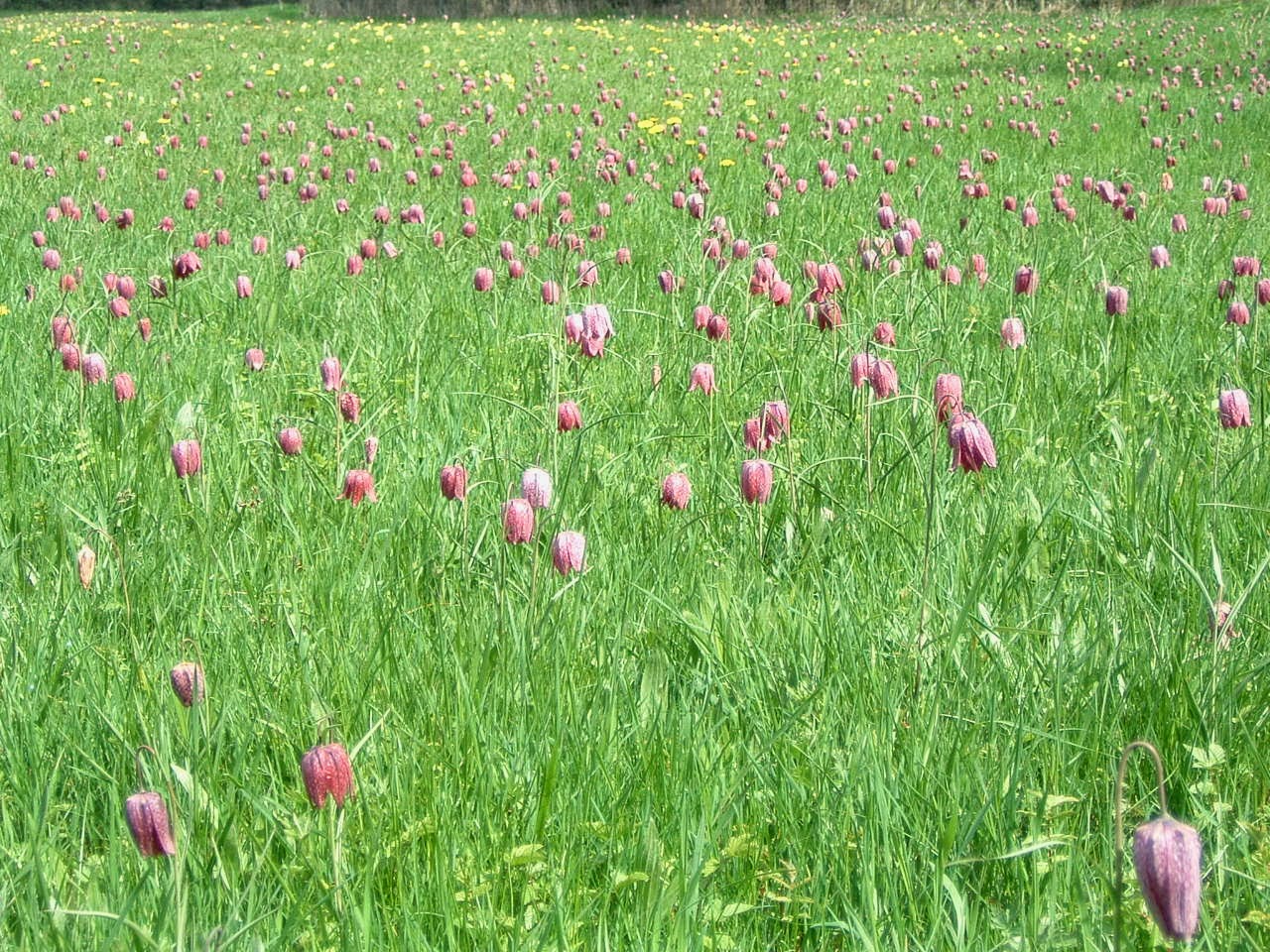
On a different note the wild flower meadows are now starting to look at their best with fields full of Cowslips and Snakes head fritillaries all in flow bloom. DT